ภาษา
ภาษา






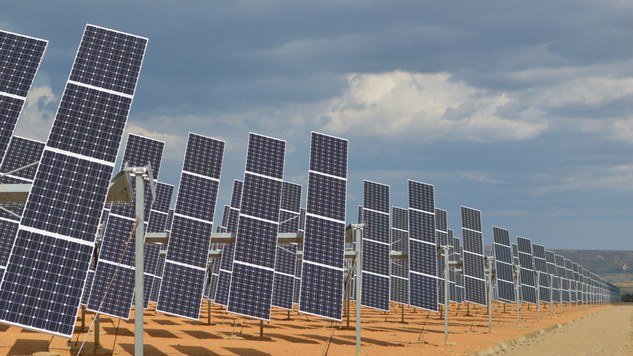
พลังงานหมุนเวียนประสบความสำเร็จในการลดการปล่อยคาร์บอนในยุโรป
ตามข้อมูลรายงาน 'Renewable energy in Europe – approximated recent growth and knock-on effects' ที่ตีพิมพ์โดย European Environment Agency (EEA) ระบุว่า หากไม่มีการนำพลังงานหมุนเวียนมาเริ่มใช้ตั้งแต่ปี ค.ศ. 2005 ปริมาณการปล่อยก๊าซเรือนกระจกจะเพิ่มสูงกว่าที่ปล่อยจริงในปี ค.ศ. 2012 ถึงร้อยละ 7
นอกจากนี้ เทคโนโลยีพลังงานหมุนเวียนยังช่วยเพิ่มความมั่นคงทางพลังงานให้ยุโรป ทำให้ลดการใช้ถ่านหินลงได้ร้อยละ 13 และลดการใช้ก๊าซธรรมชาติลงร้อยละ 7
ข้อมูลปี ค.ศ. 2013 ระบุว่า สัดส่วนการใช้พลังงานหมุนเวียนในสหภาพยุโรปเพิ่มสูงขึ้นเกือบร้อยละ 15 และสหภาพยุโรปจะเดินหน้าพัฒนาโครงการพลังงานหมุนเวียนเพิ่มเติมเพื่อให้บรรลุเป้าหมายร้อยละ 20 ภายในปี ค.ศ. 2020 และเป้าหมายร้อยละ 27 ภายในปี ค.ศ. 2030
อ้างอิงมาจากบทความ : Renewables successfully driving down carbon emissions in Europe
Wind, solar, biomass and other renewable energy technologies continued to grow in 2013. New data shows they have been an important driving force in reducing greenhouse gas emissions in Europe.
Without the deployment of renewable energy since 2005, greenhouse gas emissions in 2012 could have been 7% higher than actual emissions, according to the EEA report 'Renewable energy in Europe – approximated recent growth and knock-on effects'.
Renewable technologies also increase energy security, the report found. Without the additional use of renewable energy since 2005, the EU's consumption of fossil fuels would have been about 7% higher in 2012. The most substituted fuel was coal, where consumption would have been 13% higher, while natural gas use would have been 7% higher, at a time when European gas reserves are dwindling.
Hans Bruyninckx, EEA Executive Director, said: "Renewable energy is quickly becoming one of Europe's great success stories. We can go even further: if we support innovation in this area it could become a major motor of Europe's economy, bringing down emissions while creating jobs."
Renewable energy has not been the only factor reducing Europe's greenhouse gas emissions. Policies and measures designed to reduce emissions, improve energy efficiency and stimulate the deployment of renewable energy have all played a role. There were also other drivers for this reduction, including changing economic factors and shifts to less-polluting types of fuels.
Other findings
- Final consumption of renewable energy increased in all Member States in 2013, according to EEA estimates. At EU level, the share of renewables increased to almost 15% by 2013, so the EU was ahead of its 12% target set by the Renewable Energy Directive. By 2020, the EU aims to generate at least 20% of its energy using renewable sources, rising to 27% by 2030.
- In Sweden, Latvia, Finland and Austria renewable energy made up more than a third of final energy consumption in 2013. At the other end of the scale, Malta, Luxembourg, Netherlands and the UK were all below 5%.
- The renewable heating and cooling market sector contributed most towards overall renewable energy in the EU in 2013. However, renewable electricity is growing faster. In contrast, the use of renewable energy sources in transport fell in 2013 in about half of the EU Member States and also at EU level.
- Coal, oil, gas and other fossil fuels still make up around three quarters of final energy consumption. Fossil fuels are the main cause of climate change, air pollution and several other environmental pressures.
- For Europe to meet ambitious decarbonisation targets, renewable energy sources are expected to increase to between 55 to 75% of final energy consumption by mid-century, according to the European Commission's Energy Roadmap 2050.
ที่มาของบทความและรูปภาพประกอบ : http://www.eea.europa.eu