ภาษา
ภาษา





รายงานการศึกษาของ UN : เราสามารถสร้างการเติบโตของเศรษฐกิจโดยไม่ปล่อยก๊าซเรือนกระจกได้
ตามรายงานการศึกษาของ UN เหล่าประเทศที่ปล่อยก๊าซเรือนกระจกสูงสุด 15 อันดับแรกของโลก สามารถลดการปล่อยก๊าซเรือนกระจกลงอย่างมาก ขณะที่ยังสามารถเพิ่มผลผลิตทางเศรษฐกิจได้ถึง 3 เท่าด้วย โดยประเทศออสเตรเลียจะลดการปล่อยคาร์บอนจนเหลือศูนย์ภายในปี 2050 และยังคงมีอัตราการเติบโตทางเศรษฐกิจเฉลี่ย 2.4% ต่อปี
รายงานเรื่อง “The Deep Decarbonisation Pathways” ซึ่งรวบรวมข้อมูลโดยสถาบันการศึกษาจากนานาประเทศ และเผยแพร่รายงานโดยเลขาธิการสหประชาชาติ นายบัน คี-มูน ได้วิเคราะห์สถานการณ์ของประเทศต่างๆ จำนวน 15 ประเทศ อาทิ ออสเตรเลีย สหรัฐอเมริกา สหราชอาณาจักร และจีน ซึ่งปล่อยก๊าซเรือนกระจกรวมกันคิดเป็น 70% ของปริมาณที่ปล่อยทั้งโลก ตามข้อมูลจากรายงานดังกล่าว ประเทศเหล่านี้สามารถลดก๊าซเรือนกระจก โดยที่เศรษฐกิจยังสามารถขยายตัวได้ถึง 3 เท่า และหากจะควบคุมอุณหภูมิโลกไม่ให้เพิ่มสูงขึ้นเกิน 2oC เทียบกับช่วงก่อนการปฏิวัติอุตสาหกรรม ตามที่ได้ตกลงกันในระดับนานาชาติ จำเป็นต้องลดการปล่อยก๊าซเรือนกระจกลงอย่างมาก เพราะขณะนี้มีแนวโน้มว่า ปริมาณการปล่อยในปัจจุบันสูงเกินกว่าจะควบคุมอุณหภูมิโลกในระดับดังกล่าวได้
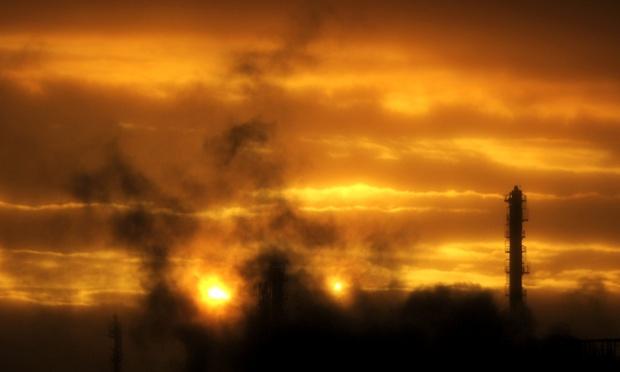
ในส่วนของประเทศออสเตรเลีย รายงานฉบับดังกล่าวระบุว่า เป็นประเทศที่มีการปล่อยก๊าซเรือนกระจกเฉลี่ยต่อคนต่อปีในปริมาณมาก เนื่องจากการผลิตพลังงานไฟฟ้าจากถ่านหินคิดเป็นสัดส่วนสูงถึง 69% ของพลังงานไฟฟ้าทั้งหมด ซึ่งนับว่าสูงที่สุดในกลุ่มประเทศพัฒนาแล้ว แต่แม้จะพึ่งพาพลังงานฟอสซิลจำนวนมาก ออสเตรเลียยังมีโอกาสที่จะลดการปล่อยก๊าซเรือนกระจกในระบบการผลิตพลังงานจนเหลือศูนย์ได้ภายในปี 2050 โดยคงอัตราการเติบโตเฉลี่ยของเศรษฐกิจไว้ที่ 2.4% ต่อปี เมื่อมองย้อนกลับไปในอดีต พบว่า ตลอด 20 ปีที่ผ่านมา ออสเตรเลียปล่อยก๊าซเรือนกระจกในปริมาณค่อนข้างคงที่ ขณะที่เศรษฐกิจได้เติบโตขึ้นเป็นสองเท่า
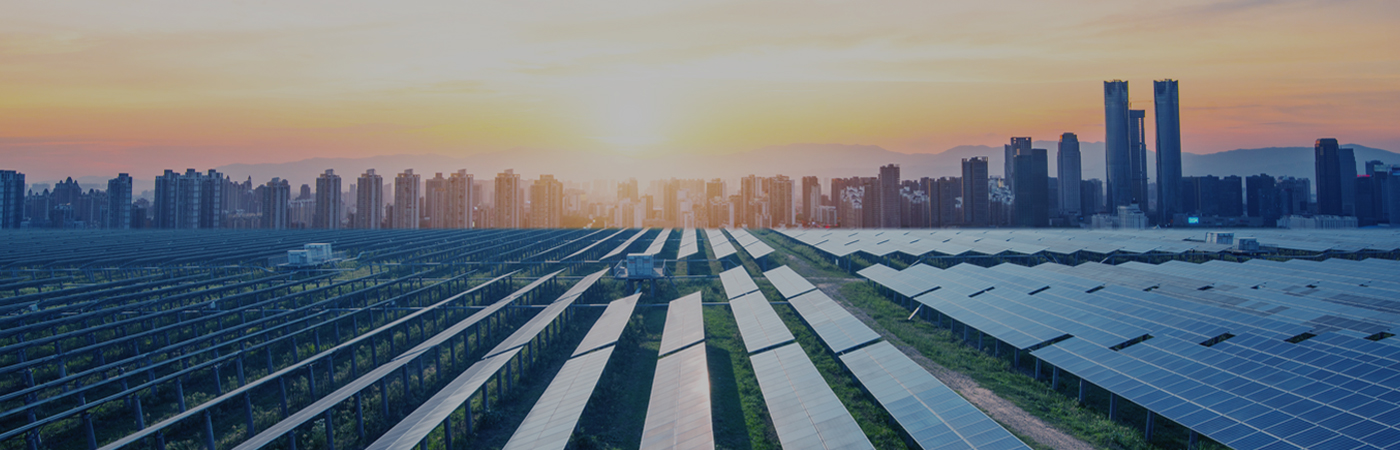
รายงานระบุว่า การลดการปล่อยก๊าซเรือนกระจกให้ได้ตามเป้าหมายดังกล่าว จำเป็นต้องยกเลิกการใช้ถ่านหินเกือบทั้งหมด โดยหันมาใช้พลังงานทดแทนผลิตไฟฟ้า เช่น พลังงานแสงอาทิตย์และลม รวมทั้งใช้รถยนต์ที่ขับเคลื่อนด้วยพลังงานไฟฟ้าทดแทนการใช้น้ำมัน ส่วนอุตสาหกรรมและเกษตรกรรมที่ไม่สามารถนำเทคโนโลยีที่สะอาดมาใช้ได้ จะชดเชยการปล่อยก๊าซเรือนกระจกด้วยการดูดซับคาร์บอนไว้ในดินและต้นไม้
ทั้งนี้ ผู้แทนรัฐบาลของทุกประเทศทั่วโลกจะมารวมกัน ณ กรุงปารีส ในปีหน้า เพื่อตกลงกันเกี่ยวกับเป้าหมายหลังปี 2020 ขณะที่ออสเตรเลียมีแผนที่จะทบทวนเป้าหมายลดก๊าซเรือนกระจกของปี 2020 ของประเทศ ภายในปีหน้า โดยจะพิจารณาให้สอดคล้องกับเป้าหมายและความพยายามลดก๊าซเรือนกระจกของประเทศอื่นๆ ด้วย ปัจจุบันนี้ รัฐบาลออสเตรเลียมีเป้าหมายที่จะลดการปล่อยก๊าซเรือนกระจกลงอย่างน้อย 5% ในปี 2020 โดยเทียบกับระดับการปล่อยของปี 2000
อ้างอิงมาจากบทความ : Education is key to climate adaptationZero carbon and economic growth can go together, UN study says
Australia could slash its carbon emissions to zero by 2050 and still experience average economic growth of 2.4% a year, according to a UN-backed study.
The Deep Decarbonisation Pathways report, released by the UN secretary general, Ban Ki-moon, analysed the 15 countries that account for 70% of greenhouse gases emitted into the atmosphere, which includes Australia, the US, Britain and China.
According to the report, compiled by academics from each of the countries, the 15 countries could make deep cuts to emissions while also tripling economic output.
These cuts are needed, the report notes, if the world is to avoid the “catastrophic” impact of failing to keep to the internationally agreed limit of 2C global warming on pre-industrial levels. The study concedes the world is on track to overshoot this.
The study notes that Australia has high per-capita emissions, with coal-fired power providing 69% of electricity generation, higher than most other industrialised countries.
Despite this dependence on fossil fuels, “fundamental changes” to Australia’s energy system could allow it to cut its emissions to zero by 2050 while maintaining economic growth of 2.4% a year, on average. The report points out that Australia’s greenhouse gases have remained stable over the past 20 years, while the size of the economy has doubled.
A further UN report in September will set out the monetary cost of a rapid increase in renewables to cut emissions to zero.
But the newly released study plots a path that involves phasing out coal use almost entirely, shifting electricity generation to renewable sources such as solar and wind, and powering vehicles and buildings with clean electricity rather than fossil fuels such as oil and petrol.
Industrial and farming processes that can’t use such clean technology would be offset by large-scale storage of carbon in soils and trees.
Anna Skarbek, the executive director of ClimateWorks, which provided input to the report alongside the Australian National University, told Guardian Australia that emissions cuts and economic growth could go hand-in-hand.
“Australia has a higher emissions intensity than other countries, but it also has a huge natural endowment in renewable energy sources,” she said.
Skarbek said the transition would need to start soon to help avoid breaching the 2C limit, a temperature guardrail that has bipartisan support in Australian politics.
“The science is clear – we know that the carbon budget is being rapidly used up and will be near zero by the middle of the century,” she said. “If we plan now we can achieve the transition in this time.”
Frank Jotzo, director of the ANU centre for climate economics and policy, said: “Decarbonisation would mean that the energy system and some aspects of land management look quite different from what they would under a high-carbon scenario.
“But for every declining technology there are new opportunities arising, and most of the economy would simply motor on. Cleaning up the world’s energy system does not stand in the way of economic prosperity.”
The Australian government has a minimum target of a 5% cut in carbon emissions by 2020, based on 2000 levels. Governments will gather in Paris next year to thrash out their emission cut commitments beyond 2020.
A spokesman for the environment minister, Greg Hunt, said: “The government will review Australia’s 2020 target in 2015, considering further action and targets on the basis of comparable real global action.”
ที่มาของบทความและรูปภาพประกอบ: http://www.theguardian.com